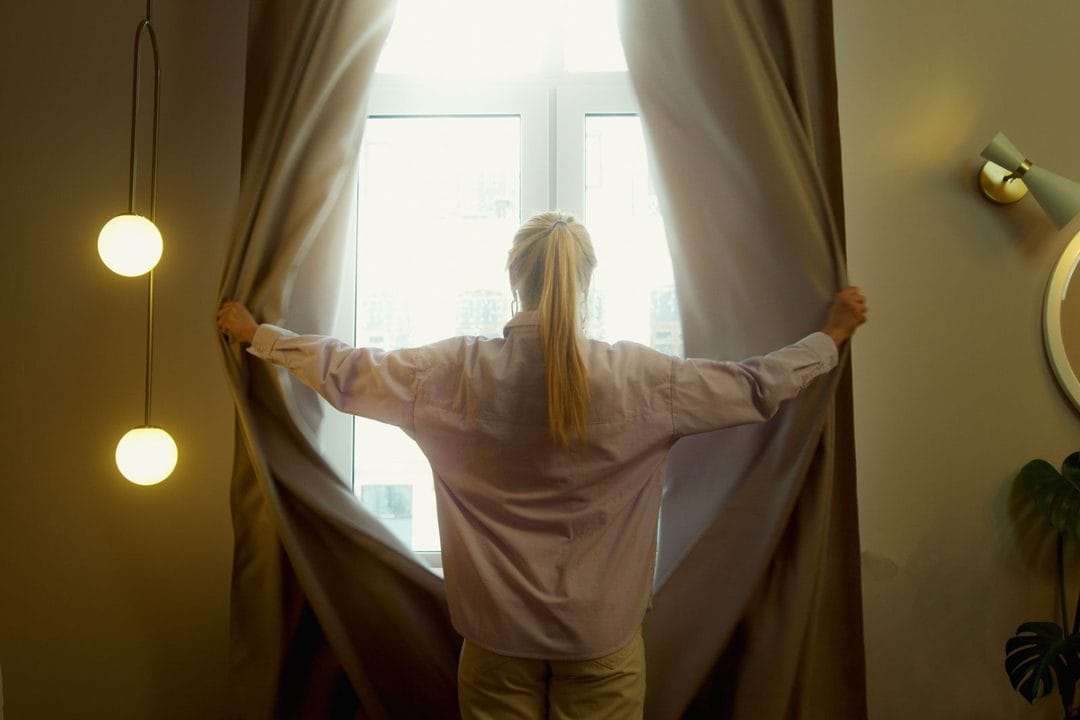
The clocks went back on Sunday 25 October, and by now most of us have had a few mornings of fumbling for the light switch in the dark. The change itself is only an hour, but the body does not read the clock on the wall. It runs on an internal rhythm that is set largely by when light hits your eyes, and that rhythm takes days to catch up. Many people notice it as a heavy head at 7am, a dip mid-afternoon, and a strange wide-awake feeling at 11pm. This article is about what is actually happening, what the NHS recommends for sleep and vitamin D, and a few small changes that make the darker months easier to get through. None of it requires a gadget or a supplement regime. It does require being a bit deliberate about light, timing and movement for a couple of weeks.
Why one hour feels like three
Your body clock, the circadian rhythm, is driven by a small region of the brain that reads light through the eyes and sets the timing of sleep, alertness, hunger and body temperature. When the clocks change, the morning light arrives an hour later by the clock, so your internal clock is effectively out of step with your routine. If you go to bed at the same time by the clock, your body still thinks it is an hour earlier, which means you lie awake feeling wired even though you are tired. Getting up at the usual time then feels like getting up in the middle of the night. Most people adjust within a week or so, but the adjustment is slower when mornings are grey and the first real daylight arrives after you have already left for work. That combination, a later sunrise and a fixed alarm, is why late October tends to feel harder than the single hour would suggest. Expect the first few days to be the worst, and do not judge the whole autumn by them.
The practical consequence is that you should stop trying to force sleep at the old time and let the body settle into the new one. Going to bed too early, with the lights off and nothing to do, often produces an hour of staring at the ceiling. A better move is to keep the wake-up time fixed and let the bedtime follow naturally over a few nights. If you find yourself dozing on the sofa at nine in the evening, that is usually the body telling you the timing is still off, not that you are ill. Short naps in the afternoon can smooth things over, but keep them under about twenty minutes and before mid-afternoon so they do not steal from the night. Small, consistent steps work better than a dramatic overnight change. The goal for the first fortnight is simply to stop the shift from getting worse.
What the NHS says about sleep
NHS guidance for adults puts the usual need at roughly seven to nine hours a night, with older adults often managing well on the lower end of that range. Those numbers are averages, and some people feel fine on less while others clearly do not, so the more useful test is how you feel during the day. If you need an alarm to wake up, rely on caffeine to get through the late morning, or fall asleep within a few minutes of sitting down in the evening, your sleep is probably short of what you need. The NHS also stresses regularity, which is the habit most people find hardest to keep. Waking at roughly the same time on weekdays and weekends helps set the internal clock, and this matters more in autumn when the light cues are weaker. A lie-in of two hours on Saturday can make the following Monday feel like a jet lag episode.
Several habits that NHS trusts and NHS Scotland recommend are worth putting into practice this week. Keep a wind-down period of at least half an hour before bed, with no email, work messages or scrolling, because bright screens and stimulating content both push back the moment you feel sleepy. Try to finish heavy work or difficult conversations earlier in the evening rather than letting them run into bedtime. Alcohol may make you drop off faster, but it fragments the second half of the night and leaves you lighter and more restless before morning. Keep the bedroom cool, dark and quiet, and move the phone charger out of arm's reach so checking the time does not turn into checking everything else. If sleep problems last for weeks despite these changes, they are worth raising with a GP rather than enduring. Persistent trouble sleeping can be linked to other conditions, and it is treatable.
A technique many people find useful is a fixed worry slot. Write down whatever is circling in your head, set aside ten or fifteen minutes in the early evening to plan tomorrow, and then close the notebook. This is not magic, but it removes the sense that you must solve everything while lying in the dark. When the thoughts still arrive at 3am, a useful rule is to get up if you have been awake for more than about twenty minutes, go to a dim room, and do something dull until you feel drowsy again. Staring at the clock makes the sense of urgency worse, so turn it to face the wall. The aim is to stop the bed becoming a place of frustration. Over a couple of weeks the association between bed and sleep usually strengthens again.
Light is the lever you can actually pull
Since the body clock responds mainly to light, the most effective thing you can do in autumn is to get bright light early in the day. Daylight outdoors is far stronger than indoor lighting, even on a cloudy October morning, so a short walk before or soon after breakfast gives your clock the signal it needs. You do not need to stare at the sun or wait for a perfect day. A ten to twenty minute walk around the block, with your face uncovered and your eyes open, is a practical target for most people. If you cannot get outside, sit by the brightest window you have, and keep the curtains open while you eat. Dim the lights in the evening so the signal shifts toward night rather than staying bright until bedtime. Lamps with warm bulbs are a reasonable choice for the last hour before sleep.
Light exposure also affects mood, which is why the change in season can feel like more than a sleep problem. Many people notice lower energy, a stronger pull towards food and comfort, and a general flatness as the days shorten, and some of them meet the criteria for seasonal affective disorder. Mild winter blues are common and tend to respond to the same things as poor sleep: a steady routine, daily outdoor light, regular movement and time with other people. For more persistent or severe low mood, a GP can talk through options, including talking therapies and, where appropriate, light therapy under medical advice. It is worth being honest with yourself about whether the low feeling is lifting over a few weeks or getting heavier. Reaching out early is much easier than waiting until the winter is well advanced.
Vitamin D and the darker months
Vitamin D is the other thing that changes with the light. The NHS advises that from autumn through winter the sun is too weak for most people in the UK to make enough vitamin D through their skin, so everyone should consider taking a daily supplement of 10 micrograms. That is the standard UK recommendation, and it is a modest dose rather than a high one. The advice is aimed at adults and older children, and pregnant and breastfeeding women should follow the same guidance. People with darker skin, those who cover up outdoors for cultural or medical reasons, and anyone who spends most of the day indoors may be at higher risk of deficiency. Vitamin D is found in small amounts in oily fish, eggs and fortified foods, but it is hard to get the full amount from food alone in winter. The supplement is cheap, easy to find, and does not need to be taken with food.
Taking more is not automatically better. The NHS warns that taking large amounts of vitamin D over a long period can cause too much calcium in the blood, which can lead to nausea, confusion and kidney problems in severe cases. Sources that discuss safe upper limits typically cite about 100 micrograms a day for adults, but you should only go above the standard dose if a doctor or pharmacist advises it. If you already take a multivitamin or a separate calcium supplement, check the labels so you do not double up without realising. Pick a dose that matches the advice on the packet or from your GP, and keep to it for the whole season. A simple habit such as taking it with breakfast, next to the kettle, makes it far more likely that you will remember. Consistency matters more than any particular brand.
Winter walks that fit a working week
The walk is the easiest way to combine the light, the movement and the mood benefits into one habit. The problem is that in late October most people leave for work in the dark and return in the dark, so the walk needs to fit into the daylight that actually exists. Look at your week and find the two or three windows that are realistically open: a lunch break, a ten-minute walk after dropping children at school, or a loop round the park after work while there is still a little light. A consistent short walk is far more useful than an ambitious long one that you abandon after a fortnight. Dress for the weather, because a warm, waterproof layer makes the difference between enjoying the outing and cutting it short. Some practical ideas that work for many people are listed below.
- Lunchtime loop: ten to fifteen minutes around the block, aiming to be outside rather than walking through a shopping centre.
- Morning light first: a short walk to the shop for milk or bread before the working day starts, even if it is still grey.
- Stairs and steps: a few flights of stairs at the start of the day, to get the heart rate up without a full workout.
- Post-dinner stroll: a gentle walk after the evening meal helps with digestion and gives you one last spell of cooler air before bed.
- Weekend anchor: one longer walk on Saturday or Sunday, in daylight, at a pace you can talk at.
Movement also helps sleep, though the effect is clearer for regular activity than for a single heavy session close to bedtime. Many people find that a brisk walk in the daytime makes it easier to fall asleep at night, and it can reduce the restless, overtired feeling that comes from sitting all day in a warm office. Keep vigorous exercise earlier in the day where possible, since some people find intense workouts late in the evening make them harder to wind down. If you are returning to exercise after a long break, build up gradually and stop if you feel unwell. A walk that you actually enjoy and repeat most days will do more for your wellbeing than the perfect routine you never start. Bring a friend or a dog if that helps you keep going. Social contact outdoors is a quiet bonus that tends to get overlooked.
When to see a GP
Most of the changes in this article are small and can be made without any medical input. Some symptoms, however, should not be managed alone. If you have persistent trouble sleeping for several weeks, if you wake feeling unrefreshed most days, or if you snore loudly, stop breathing during sleep, or feel very sleepy during the day, speak to your GP. Ongoing low mood, loss of interest in things you normally enjoy, changes in appetite that do not settle, or thoughts of harming yourself also need professional help, and you should not wait for the winter to pass. In an emergency, or if you feel you cannot keep yourself safe, call 999 or go to A&E. For urgent but non-emergency advice, NHS 111 is available across England, Wales and Scotland, and the same range of services exists elsewhere in the UK.
The clocks going back is a predictable event, and it usually settles within a couple of weeks for most people. The useful response is to protect your morning light, keep your wake-up time steady, take a standard daily vitamin D dose through the darker months, and move outdoors when you can. These are cheap, low-risk habits that fit into an ordinary week. Track how you feel over the next fortnight, rather than judging the whole season from the first grey Monday. If things are clearly getting worse, that is the moment to book the appointment. Winter is long, but a small routine built in late October can carry you through it.