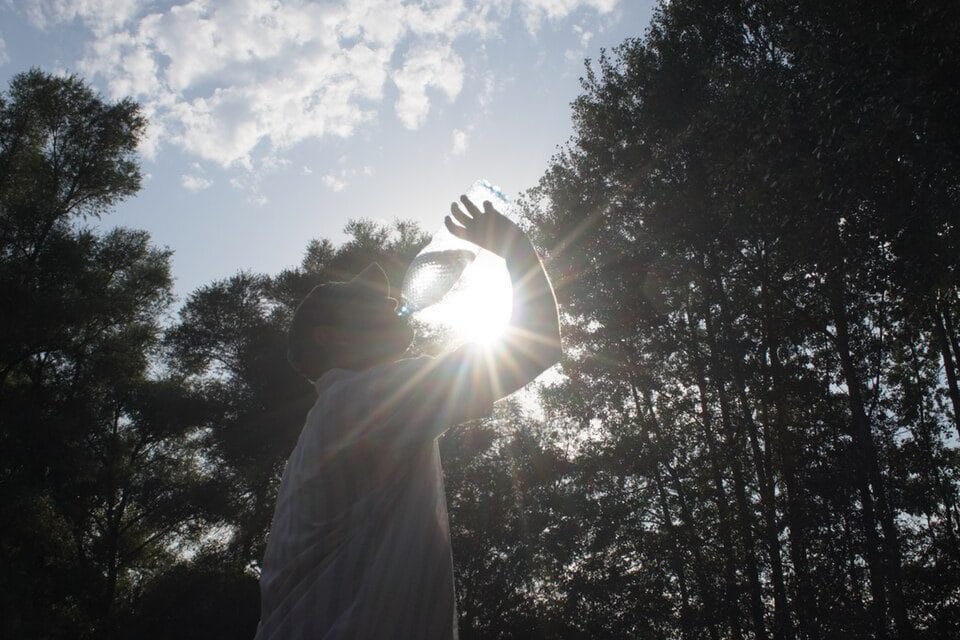
By the third consecutive day above 28°C, most of the UK reaches for the same fix: more water. Glass after glass, bottle after bottle refilled at the kitchen tap, and yet the afternoon slump turns up anyway — heavy eyelids at 3pm, a headache paracetamol barely touches, legs that feel like they've been standing in wet sand for an hour. The instinct isn't wrong, exactly. It's just incomplete, and knowing why changes what you actually do about it.
The Hydration Myth Nobody Corrects
Sweat isn't just water leaving your body. It carries sodium, potassium, chloride and magnesium out with it, and sports scientists put typical losses somewhere between 460mg and 1.8g of sodium per litre of sweat, depending on how heat-adapted you are and how hard you're working. Drink plain water to replace that fluid without replacing the minerals, and you dilute what's left in your bloodstream — which is precisely when the headache, the fogginess and the leg cramps tend to show up, often an hour or two after you thought you'd sorted the problem. This is why office workers who've necked two litres by lunchtime still feel wrung out by 4pm: the volume is there, but the chemistry isn't balanced, and the body reads dilution as a problem worth flagging with a thumping headache behind the eyes. Muscle cramps are usually the first physical clue that sodium, not water, is the missing piece, particularly in calves and feet after a day of standing or gardening. Magnesium plays a smaller supporting role too — it's why some people find a banana or a handful of almonds settles a heat-related cramp faster than another glass of water on its own. None of this shows up in the standard "drink eight glasses a day" advice, which was never written with a 32°C pavement in mind.
Electrolytes vs plain water
Add electrolytes on any day the Met Office issues an amber or red Heat-Health Alert — plain water alone won't cut it once you're outdoors for more than an hour or two. Dioralyte, sold at Boots for around £5.29 for six sachets, was designed for rehydration after illness but works just as well for heat; SIS GO Hydro tablets (roughly £6.50 for a tube of 20 from Boots or Wiggle) dissolve in a bottle and taste less clinical. Skip the neon sports drinks marketed for gym sessions, though — most contain more sugar than electrolyte value for a day spent gardening or standing on a commuter platform, and you don't need the calories on top of the heat.
A pinch of table salt in a glass of water does roughly the same job for free.
What's Actually Happening Inside Your Body
During sustained heat, blood vessels near the skin's surface widen so more blood flows close to the surface, where it can lose heat — which is why your face flushes and your resting heart rate climbs even sitting still. That redirection means less blood volume is available for digestion and concentration, which is the physiological reason a heatwave makes you both drowsy and slightly nauseous after meals. Kidneys respond to falling sodium by holding onto water rather than releasing it efficiently, so you can end up retaining fluid and feeling puffy around the ankles even while technically dehydrated — a contradiction that trips a lot of people up because it looks like the opposite problem.
The Hydration-Sleep Loop Nobody Mentions
Poor sleep during a heatwave isn't only about a hot bedroom — it changes how your body handles fluid the next day. A restless, sweat-soaked night raises cortisol production, and higher cortisol increases fluid loss through the kidneys before you've even stepped outside, so it's possible to wake up already a litre behind purely because you slept badly, not because you drank too little the evening before. This is the loop that catches a lot of people out: bad sleep worsens dehydration, and dehydration is itself a leading cause of the light-headedness and headaches usually blamed on "just not sleeping enough." If a heatwave has wrecked your sleep for more than two nights running, treat rehydration the next morning as seriously as you would after a long-haul flight — an electrolyte drink with breakfast resets the balance faster than coffee and a pint of water ever will. Alcohol makes the cycle worse rather than better, since it's a diuretic layered on top of a body that's already running short, which is why a warm night plus a nightcap tends to produce the roughest mornings of the whole heatwave.
The Foods and Drinks Worth Reaching For
Some of the most effective hydration during a heatwave doesn't come from a bottle at all.
- Watermelon — 92% water by weight, with enough natural sugar to steady an afternoon energy dip without a caffeine crash afterwards
- Cucumber and tomato salad with a pinch of sea salt, which restores sodium at the same time as fluid
- Whole or semi-skimmed milk, which a widely cited 2015 rehydration study ranked ahead of water and most sports drinks precisely because its protein and electrolyte content slows fluid loss through urine
- Coconut water is genuinely useful for potassium, though it's low in sodium, so pair it with something salty if you've been sweating heavily
- A properly brewed cup of builder's tea still counts toward your fluid total — the old myth that caffeine cancels out hydration doesn't hold up at normal tea-drinking strengths, and so on down the list of drinks people wrongly rule out
When More Water Becomes the Problem
Here's the part hydration advice usually skips: it's entirely possible to drink too much. Hyponatremia — dangerously low blood sodium from overdrinking — is rare in everyday life but well documented in marathon runners and in older adults who dutifully sip water all day on a GP's advice without adjusting for heat. Anyone over 65 taking diuretics or ACE inhibitors, both common prescriptions for blood pressure in the UK, should check with a pharmacist before increasing fluid intake sharply during a heatwave, because the interaction between heat, medication and extra water can shift blood chemistry faster than it would in a younger, unmedicated adult. The simplest practical check, and the one the NHS actually recommends over counting litres, is urine colour: pale straw is the target, and anything darker than apple juice means drink more, not less. Confusion, swelling in the hands, or a headache that gets worse rather than better after drinking water are all signs to stop and get medical advice rather than push through with another bottle. Care homes across the country have quietly adjusted their own hydration protocols in recent summers for exactly this reason, moving away from blanket "more fluids" instructions toward individually judged targets.
Timing Outdoor Activity Around the Worst of It
Running clubs across the country quietly shift their sessions to 6.30am or 8pm during a heatwave, and it's worth copying that instinct even for something as ordinary as a supermarket run or a dog walk. UV intensity peaks between 11am and 3pm regardless of temperature, so a genuinely cooler-feeling overcast afternoon can still deliver a sharper burn and faster fluid loss than a clear morning. Parkrun organisers have cancelled or shortened courses during recent amber alerts, which tells you something about how seriously event organisers now take heat exposure compared with a decade ago, when a 26°C Saturday morning would barely have registered as a concern.
Gardening is the one that catches people out most often, because it doesn't feel like exercise. An hour spent weeding a border in full sun on a 30°C afternoon can shift as much fluid and sodium as a gentle jog, yet almost nobody treats it with the same preparation — no water bottle nearby, no hat, no thought given to electrolytes beforehand. Move the heavy jobs to first thing in the morning or after 6pm, keep a bottle within arm's reach rather than back in the kitchen, and take the shade breaks before your legs start telling you it's time, not after.
Recognising When It's Gone Further Than Fatigue
Heat exhaustion and heatstroke sit on the same spectrum but need very different responses, and the line between them is worth knowing before you're the one deciding. Heat exhaustion looks like heavy sweating, dizziness, nausea and a fast pulse — uncomfortable, but it responds within thirty minutes to shade, fluids and cooling the skin with a damp cloth on the neck and wrists. Heatstroke is the point where the body's cooling system has effectively given up: the skin can turn hot and dry rather than sweaty, confusion sets in, and the NHS is explicit that this is a 999 call, not a lie-down-and-see situation, particularly in anyone elderly, very young, or already dealing with a heart condition. Knowing which one you're looking at, in yourself or in someone else, matters more than any electrolyte tablet on the counter.
A Realistic Plan for the Next Hot Spell
Start the day with a pinch of salt in your first glass of water rather than saving electrolytes for when you already feel rough, since the fix works far better as prevention than as a cure. Keep a bottle with an electrolyte tablet on the kitchen counter during any amber alert, eat something with genuine water content at lunch instead of a dry sandwich, and treat the bedroom temperature as seriously as you treat your fluid intake — a fan pointed at a damp towel does more for a decent night's sleep than another pint of water drunk at 11pm ever will.