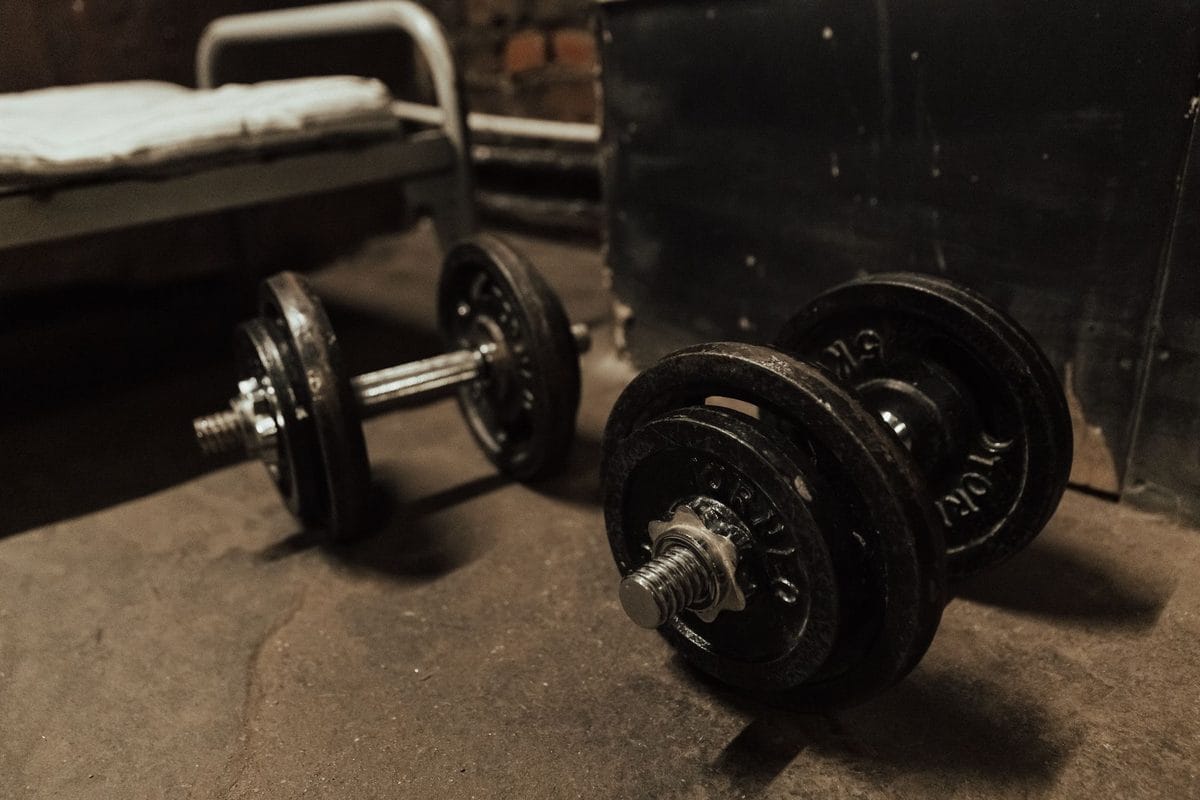
The gym direct debit that quietly wins for the first eighteen months
A PureGym Plus membership runs £24.99 a month in most UK cities, and on paper that number makes a home gym look like an indulgence. Multiply it out and you get £299.88 a year — less than the price of a single pair of Bowflex SelectTech adjustable dumbbells. For the first year, and probably the second, the gym membership genuinely is the cheaper option, and anyone telling you to buy a barbell in January hasn't run the numbers properly.
What that monthly figure buys is worth being honest about. A budget chain like The Gym Group or PureGym gets you a full floor of resistance machines, a squat rack you didn't have to assemble, cardio equipment that would cost £800–£1,500 apiece to own outright, and — depending on the site — group classes thrown in. Anytime Fitness sits higher, typically £40–£55 a month, but adds 24-hour access and usually a smaller, less crowded floor. David Lloyd sits higher still, often £90–£130 a month once you add a partner, though you're also paying for a pool, a spa and a crèche that no spare room will ever replicate. None of that shows up on a home gym spreadsheet, because none of it is something you'd actually buy for yourself. Nobody puts a leg press machine in a spare bedroom, and nobody's building a lap pool next to the washing machine either.
Location moves the number more than people expect. A PureGym in central London or Manchester city centre can run £34.99–£39.99 a month for the same tier that costs £19.99 in a market town an hour away, purely because of site rent. If you're comparing your own membership against a home gym, use your actual local price, not the headline £24.99 the chain advertises nationally — the gap between a London price and a regional one is often the entire cost of a resistance band set every single month.
What a genuinely useful home gym costs
The mistake most people make when pricing a home gym is starting with a full rack, an Olympic barbell, and a stack of bumper plates — kit that easily runs past £1,200 before you've bought a mat to stand on. That's not what most people need to train properly for years. A far more realistic starting kit looks like this:
- A pair of Bowflex SelectTech 552 adjustable dumbbells (5–24kg each), around £349
- An adjustable weight bench — Bowflex's 5.1S or the Decathlon Domyos equivalent, £150–£220
- A set of resistance bands from Wolverson Fitness or Reebok, roughly £25
- Interlocking foam or rubber flooring tiles, £30–£45 for enough to cover a small room, which matters more than people expect once you're dropping dumbbells on laminate
- Optionally, a doorway pull-up bar from Argos for about £25 — skip it if your door frame won't take one, and plenty won't
Add that up and you're at roughly £580–£665 for a kit that covers the NHS's recommendation of at least 150 minutes of moderate-intensity activity a week plus muscle-strengthening work on two or more days. That's a full-body strength programme, not a compromise — the adjustable dumbbells alone cover the range most people use a gym's free-weight rack for, and a bench turns them into presses, rows and step-ups without anyone else waiting for the equipment.
Where people overspend first
The temptation is always a smart mirror, a branded rack, or a treadmill before the basics are even bolted together. Skip the smart mirror — a £1,500–£2,000 device that's essentially a subscription screen bolted to glass — and put that money into a properly weighted adjustable bench instead, which is the piece cheap starter kits skimp on and the one you'll notice every single session. A single 16kg kettlebell from Wolverson or Mirafit, around £30–£40, is a better third purchase than a second pair of dumbbells for most people, since it covers swings and carries that adjustable dumbbells handle awkwardly.
The costs both camps conveniently forget
Nobody budgets for the year they don't use either one.
Gym memberships have a habit of quietly restarting the clock. Cancel a PureGym contract mid-term and you're often locked in for the notice period regardless; miss a payment and some chains apply a reactivation fee to pause rather than cancel outright. Consumer group Which? has repeatedly flagged gym cancellation policies as a recurring source of complaints, usually because contracts demand written notice through a portal rather than a quick tap in an app. Prices also climb — a membership that cost £22.99 in 2023 is commonly £24.99 or £26.99 now, and five years of annual increases compounds faster than people assume. Run the maths properly on a mid-range membership and the five-year total lands closer to £1,700–£1,900 once price rises and the odd missed-cancellation month are factored in, not the £1,500 flat you'd get from multiplying the headline monthly rate. Add a joining fee — commonly £20–£30, waived during sign-up promotions but not always — and the true starting cost creeps up before you've done a single session.
Home gyms have their own hidden costs, and pretending otherwise is dishonest. Resistance bands perish and need replacing every year or two at £20–£30 a time. A serious lifter will eventually want more weight than an adjustable dumbbell set tops out at, which usually means a second purchase rather than an upgrade. And a treadmill or rowing machine, if you go that route, adds electricity to the bill — a NordicTrack treadmill running four times a week adds somewhere around £25–£40 a year at current unit rates, which is trivial next to the machine's £700–£1,000 purchase price but not actually zero.
Who actually wins the five-year sum
Run a genuinely fair five-year comparison — £665 in equipment plus £60 in band replacements against £1,700–£1,900 in accumulated membership fees — and the home gym wins by roughly £1,000 over five years, even accounting for the fact that most people top up a home setup with the occasional replacement item along the way. If you're paying more than £25 a month for a gym you visit fewer than twice a week, switch to a home setup or a much cheaper pay-as-you-go option; there's no version of that arithmetic where the premium membership comes out ahead.
This works beautifully for people who already know how to train without supervision — unless you're someone who needs another human and a booked class slot to actually show up, in which case a fully-kitted spare room gathers dust by February and a cheap gym membership beats it every time. That's not a hypothetical caveat; it's the single biggest reason home gym equipment resells on Facebook Marketplace at 40% of retail every January. Picture the person who signed up for a New Year's PureGym contract, went four times in six weeks, and is now paying £24.99 a month for a locker they haven't opened since Valentine's Day — the equipment version of that same failure just sits in the hallway instead of quietly draining a bank account.
Buy the adjustable dumbbells before anything else. A rack, an Olympic bar, and a full plate set are the last things a beginner needs, not the first, and skipping straight to them is how a £600 home gym turns into an £1,800 one that still gets outgrown within eighteen months.
The hybrid version most people should actually build
The realistic answer for a lot of households isn't "gym" or "home gym" — it's a lean home kit covering strength work, paired with a rolling day-pass or off-peak membership for the things a spare room genuinely can't replicate: a pool, a sauna, a spin class with an instructor shouting at you to keep pace. PureGym's off-peak membership runs around £15.99 a month in many locations, which covers exactly that gap without paying full price for a squat rack you already own at home. Combine that with the £580–£665 starter kit above and the five-year total sits close to £1,600 — cheaper than a full membership, more flexible than a home-only setup, and it survives the months when motivation genuinely dips, because there's still somewhere to go. Set the two routes side by side over five years and the gap is easy to see:
- Home kit plus an off-peak PureGym add-on: around £1,600 in total, plus the odd £25 band replacement along the way
- Full mid-range membership alone, London pricing: closer to £2,300 once increases and a joining fee are included
- Home kit only, no gym at all: £580–£665 up front, and effectively nothing after that beyond occasional replacement parts
What doesn't survive any of these versions is buying premium kit before you know whether you'll actually use it three times a week in March as reliably as you did in the first week of January.