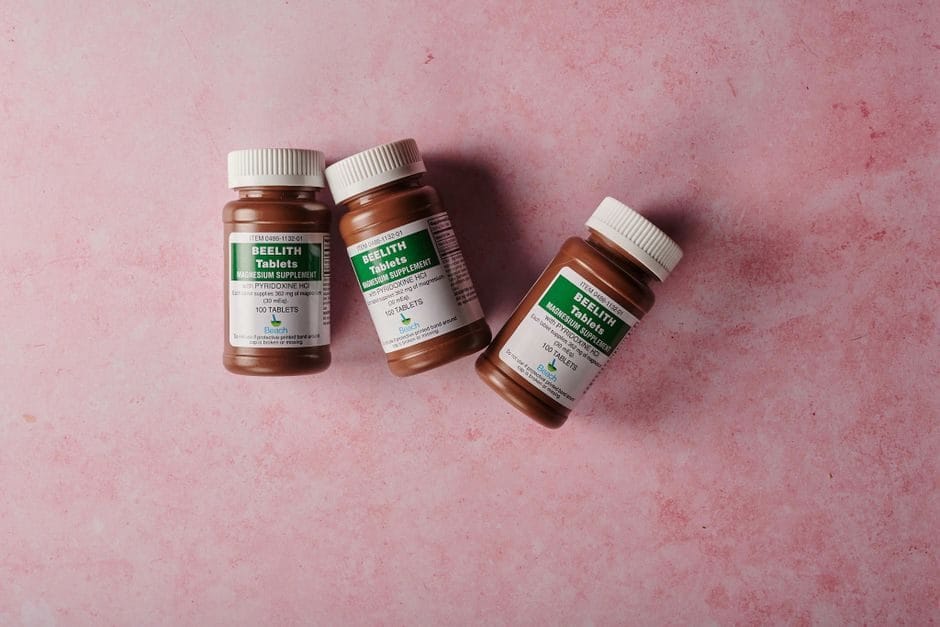
The health aisle at Boots now stocks four different brands of magnesium glycinate where, two summers ago, there was a single own-brand tub gathering dust next to the cod liver oil. It has settled in beside the sleep teas and the CBD gummies as though it always belonged there, and on TikTok and in wellness newsletters it gets credited with everything from deeper sleep to calmer moods to fewer 3am wake-ups staring at the ceiling. None of that appeared by accident. Magnesium had a genuinely useful reputation to build on, and then marketing did what marketing does: it stretched a real, modest benefit into something closer to a cure-all.
What magnesium is actually doing in your body
Magnesium is involved in several hundred enzymatic reactions, including ones governing muscle contraction, nerve signalling and the way your body produces usable energy from food. The NHS recommends around 300mg a day for men and 270mg for women, and most people who eat a reasonably varied diet in the UK get close to that without trying, because magnesium turns up in bread, potatoes, dairy and green vegetables in unremarkable quantities throughout the day. A genuine deficiency is uncommon in otherwise healthy adults. It becomes more likely with heavy alcohol use, poorly controlled diabetes, long-term use of proton pump inhibitors such as omeprazole, or digestive conditions like Crohn's that limit absorption — and in those situations, low magnesium can show up as muscle cramps, fatigue or an irregular heartbeat.
The forms on the shelf, and why they're not interchangeable
Magnesium oxide is the cheapest form and the one most likely to give you the toilet trip nobody puts on the label — it's poorly absorbed, and much of what you swallow leaves the way it came in. Magnesium citrate absorbs considerably better and is genuinely useful for constipation, which is precisely why some people taking it for sleep get a surprise the next morning. Magnesium glycinate, bound to the amino acid glycine, is gentler on the gut and is the form most sleep and anxiety marketing gravitates towards, partly because glycine itself has some evidence for improving sleep quality independent of the magnesium. Then there's magnesium threonate, sold at a considerable premium on the promise that it crosses the blood-brain barrier more effectively and sharpens memory — a claim that traces back to a small number of animal studies and one modest human trial, not the kind of evidence that should justify paying three times as much per dose.
So what should you actually buy, if you've decided to try it? Choose glycinate for sleep or stress-related tension, citrate if constipation is part of the picture, and skip the threonate marketing until larger independent trials back up the cognition claims rather than a single manufacturer-funded study. That's not a hedge — it's the call worth making with the evidence as it currently stands.
Food first, and it's not a difficult swap
A 30g portion of pumpkin seeds carries around 150mg of magnesium — roughly half the daily target in one handful you can scatter over porridge. Dark chocolate at 70% cocoa or higher, a tin of black beans, a handful of almonds and a serving of spinach will each get you a meaningful fraction of the way there, and unlike a supplement, none of it comes with a theoretical upper limit you need to worry about. Supplemental magnesium above around 350mg a day from non-food sources can cause diarrhoea and cramping in some people, according to guidance from the NHS and the Food Standards Agency, which is a fairly low bar to cross if you're taking a capsule on top of an already reasonable diet.
Here's the part the marketing conveniently skips over: if your evening meal already includes vegetables, wholegrains and some nuts or seeds, you are very likely getting adequate magnesium already, and the £15-a-month glycinate habit is doing very little that a slightly better dinner wouldn't. That's an uncomfortable thing to say to an aisle full of people who've just bought the tub, but it's the honest reading of the research. Where supplementing does make sense is in the specific cases mentioned above — restrictive diets, certain medications, older age, or a GP-confirmed low reading on a blood test — and in those cases, it's worth doing properly rather than guessing at a dose from an influencer's morning routine video.
The sleep and anxiety claims, sorted from the noise
There is decent trial evidence that magnesium supplementation can modestly improve sleep quality in people who are mildly deficient or older adults with poor sleep, with effects that are real but far short of dramatic — think falling asleep a few minutes faster and waking slightly less often, not the "best sleep of my life" testimonials doing the rounds online. For anxiety, the picture is thinner: a handful of small trials suggest a possible mild effect, mostly in people who started out low in magnesium, and the studies are too small and too varied in dosing to draw a firm conclusion either way. If you're already sleeping reasonably and eating a varied diet, magnesium is unlikely to be the missing piece, however persuasive the packaging looks under a bathroom shelfie.
Worth trying if you've got persistent, mild sleep trouble and nothing else has worked? Reasonably, yes — 200 to 400mg of glycinate taken an hour before bed is a low-risk experiment for most healthy adults. Worth expecting it to fix chronic insomnia, work-related stress or a genuinely disrupted sleep schedule? No, and if that's the situation you're in, magnesium is the wrong tool for the job.
When it's actually time to see a GP
- Muscle cramps or twitches that are frequent, severe, or don't ease with stretching and hydration
- An irregular or noticeably fast heartbeat, which needs proper investigation rather than a supplement guess
- You're on long-term PPIs, diuretics, or have a digestive condition affecting absorption — a blood test is more useful than trial and error
- Persistent fatigue alongside other symptoms, since low magnesium is sometimes a marker for something else worth ruling out
A GP can order a serum magnesium test, though it's worth knowing that blood levels reflect only about 1% of the body's total magnesium (most is stored in bone and muscle), so a "normal" result doesn't entirely rule out low tissue levels — it's an imperfect test, not a wasted one.
Does it matter when you take it, and is more always better?
Timing gets debated far more than the evidence justifies. Taking magnesium with food reduces the mild stomach upset some people get on an empty stomach, and taking the glycinate form in the evening makes sense purely because that's when you want the calming effect, not because of any special chronobiology. Splitting a 400mg dose into two 200mg doses across the day, rather than swallowing it all at once, tends to improve absorption slightly and cuts down on the loose-stool risk that citrate and oxide carry at higher single doses.
More is not automatically better, and this is where the wellness-aisle logic breaks down fastest. Doubling up on magnesium glycinate because a 200mg capsule "isn't doing much yet" after three days is a common and pointless habit — the mineral doesn't accumulate the way, say, vitamin D can, and healthy kidneys are generally very good at excreting the surplus. The people who do need to be careful are those with reduced kidney function, where magnesium can build up to genuinely dangerous levels; if that applies to you, don't self-supplement without a GP's input, full stop.
The honest verdict
Magnesium is not a scam, and it isn't nothing — it's a real mineral with a real, fairly narrow set of benefits that happened to get picked up by an internet culture that turns every modest finding into a morning-routine essential. Buy the right form for the right reason, expect a small effect rather than a transformation, and check your dinner plate before you check your basket. The tub at Boots isn't going anywhere either way.