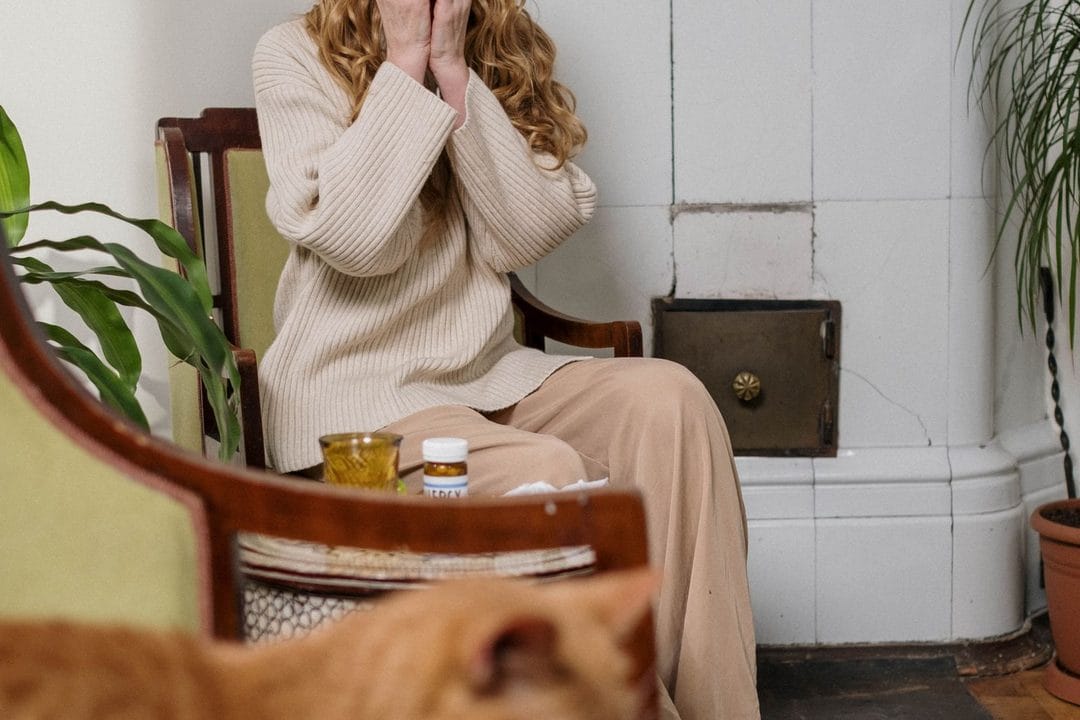
Emma Sharpe stopped taking her hay fever tablets on the first of July, the way she does every year, because by then the grass pollen season is usually winding down and her eyes stop streaming. This September she's back on them — itchy throat, blocked nose, sneezing fits she assumed meant she'd caught a cold. She hadn't. GP practices across England and Wales are reporting a small but consistent bump in patients asking about "a cold that won't end" in the first two weeks of September, and the culprit in most cases isn't a virus at all. It's mould spores and ragweed, two allergens that peak precisely when everyone has already put their antihistamines back in the cupboard.
Why the "hay fever season is over" assumption is wrong
Tree pollen runs roughly February to May. Grass pollen, the one most people associate with classic hay fever, peaks from May to July. That's the sequence most UK pollen forecasts — including the Met Office's daily count, which most hay fever sufferers check obsessively for about ten weeks a year and then forget exists — train people to expect, and it's exactly why so many stop their antihistamines the moment July ends. What that sequence leaves out is weed pollen, and specifically ragweed, mugwort and nettle, which runs from late July right through September and, in a mild autumn, into early October. Add fungal spore counts, which spike after the first cool, damp mornings of the year, and you get a second allergy season that overlaps almost exactly with "back to school" and "getting back into a routine after summer" — precisely when people are least prepared to notice what's actually going on.
The confusion with a common cold is understandable, and honestly a bit maddening for anyone trying to self-diagnose on a Monday morning before work. A cold usually comes with a low fever, body aches, and mucus that thickens and turns green or yellow after a few days, and it clears within seven to ten days regardless of what you do about it. Autumn allergy symptoms sit differently: a clear, watery nasal discharge, itchy or gritty eyes, a scratchy throat, and sneezing fits that come in clusters of three or four rather than isolated sneezes. These tend to drag on for weeks rather than days, and they get noticeably worse on dry, breezy afternoons or right after raking up a lawn full of fallen leaves. If you're three weeks into "a cold" with no fever and zero improvement, it almost certainly isn't a cold.
Mould: the allergen nobody checks a forecast for
Alternaria and Cladosporium are the two mould genera responsible for most UK outdoor spore counts, and they thrive on decaying vegetation — compost heaps, wet leaf piles, damp garden furniture that's been left out since June without a second thought. Spore counts climb sharply after the first proper rainfall following a dry August, because moisture triggers spore release from plant material that's spent weeks drying out in the sun and accumulating fungal growth underneath. Indoor mould matters just as much this time of year. As central heating gets switched back on for the first time since spring, spores that have quietly colonised damp bathroom sealant, window sills, or an unused loft space get stirred straight into circulation the moment the boiler kicks in — which is exactly why so many people report a sudden return of symptoms the same week they turn the heating on, and not before.
Ragweed itself isn't as widespread in the UK as it is in parts of continental Europe or North America — Defra's own pollen monitoring network notes that UK-grown ragweed populations are still relatively localised, concentrated mostly around the South East and pockets of the Midlands. But pollen doesn't respect borders, and this is the detail most people miss. Cross-Channel drift from northern France and the Low Countries, where ragweed is considerably more established as an agricultural weed, regularly pushes counts up on southerly and south-easterly winds through late August and September. So even someone who has never once seen a ragweed plant growing in their own garden can still get hit by a spike blown in from 150 miles away on the right wind direction.
What actually helps — and what doesn't
Non-sedating antihistamines are still the first line of defence, and cetirizine (sold as Piriteze, around £3.50–£5 for 30 tablets at Boots or Superdrug) or loratadine (Clarityn, similarly priced) work just as well against weed pollen and mould spores as they do against grass pollen. Take a daily antihistamine through the second half of September rather than waiting for symptoms to properly kick in — once histamine release is already in full swing, tablets take longer to bring things back under control, and you'll spend three days catching up instead of staying ahead of it.
A steroid nasal spray, like Beconase or the pharmacy-only Nasacort, does more for nasal congestion specifically than any antihistamine ever will, and it's worth starting a week before symptoms typically begin if last September was rough for you. Skip the decongestant nasal sprays — Sudafed nasal spray and similar — for anything beyond three consecutive days. Rebound congestion after stopping them is a genuinely unpleasant problem that turns a manageable two-week allergy into a month-long one, and it's one of the more common self-inflicted mistakes pharmacists see this time of year.
- Keep bedroom windows shut in the late afternoon and early evening, when weed pollen and mould spore counts actually peak — not the classic early-morning advice given for grass pollen season.
- Clear leaf piles and compost within a day or two rather than letting them sit, because damp, decomposing leaves are exactly the environment Alternaria and Cladosporium need to release spores.
- Rinse hair before bed if you've spent time in the garden. Pollen and spores cling to hair the same way they cling to clothing, and an unwashed pillow becomes an eight-hour exposure source.
- Have the bathroom extractor fan and window seals checked before switching the heating back on, since that's usually the point households first notice a musty smell they've been quietly ignoring since spring — among other early-autumn maintenance jobs worth doing anyway.
None of this means every autumn sniffle is an allergy. Plenty of early-September colds really are just colds, especially once schools go back and viruses start circulating through classrooms — and then households — again within the first fortnight of term. Parents of primary-school-age children in particular tend to see a wave of genuine colds arrive in the second week of September, distinct from the weed-and-mould pattern described above, simply because a room of thirty children shares everything. The genuinely tricky cases are the ones with a mild fever alongside classic allergy symptoms, where a respiratory virus and a pollen or spore reaction are happening at the same time and neither treatment fully clears things up on its own.
If antihistamines make no difference at all after five days on a consistent daily dose, that's a reasonable point to stop guessing and see a pharmacist rather than working through every product on the shelf one at a time. A ten-minute conversation over the counter, describing exactly when symptoms worsen and what triggers them, usually narrows things down faster than a week of trial and error at home.
When it's worth seeing a GP
Persistent symptoms lasting more than three weeks, especially with facial pain or pressure that suggests a secondary sinus infection, warrant a GP visit rather than another trip to the pharmacy shelf. NHS guidance also flags wheezing or breathlessness alongside typical hay fever symptoms as a reason to get checked promptly, since autumn is also when asthma exacerbations linked to mould exposure and the first cold snaps of the year tend to cluster. A referral for skin-prick or blood allergy testing is available on the NHS in cases that don't respond to standard over-the-counter treatment, though waiting times through allergy clinics can run into several months in some areas. It's worth asking your GP about a referral in September, while symptoms are still fresh and documented, rather than in November once the season has already passed and the memory of exactly what happened has gone fuzzy.
Private allergy testing is the other route, and it's worth knowing the going rate before booking anything: a private IgE blood panel covering common autumn allergens typically costs £150–£250 through providers like Medichecks or a private allergy clinic, versus a free but slower NHS referral. For most people with straightforward seasonal symptoms, it's not worth paying for — a few weeks of antihistamines and a nasal spray settle things without ever needing to know the exact spore count that set it off. Testing earns its cost mainly for the harder cases: unexplained wheezing, symptoms that don't fit the usual September pattern, or reactions severe enough to affect sleep and work for weeks on end.
What's actually reassuring is that this second allergy season is short. Once the first proper frost arrives — typically late October to mid-November across most of England — mould spore counts collapse and ragweed finishes flowering entirely. Unlike grass pollen, which can drag miserably across ten or eleven weeks from May onward, the mould-and-ragweed window is closer to six. Get through late September and early October, and the worst of it, this year at least, is over.