Three consecutive nights above 20°C indoors and most people start making bad decisions the next day. They snap at colleagues over nothing. They forget where they put their keys. They reach for a second coffee at 3pm just to get through the afternoon, then wonder why they're still awake at midnight. That's not weakness — it's what happens when your core body temperature can't drop the roughly 1°C it needs to for sleep to properly consolidate, and a UK August heatwave is exactly the scenario built to stop that drop from happening.
Why Hot Nights Wreck Sleep, Not Just Comfort
Falling asleep depends on a process called distal vasodilation. Blood vessels in your hands and feet widen, heat radiates out through the skin, and your core temperature falls by roughly 0.5 to 1°C. This is why people kick a leg out from under the duvet without thinking about it — the exposed foot is doing genuine thermoregulatory work, not just seeking comfort. When the bedroom air is already sitting at 24 or 25°C, that heat has nowhere to go. Sleep onset takes longer, and you spend more of the night in light stage-1 and stage-2 sleep instead of the deep slow-wave sleep that actually restores you. A 2019 review in Sleep Medicine Reviews put the practical threshold at around 19°C for undisturbed sleep in most adults; above that, REM sleep specifically starts getting cut short, and REM is the stage most tied to next-day mood and memory consolidation.
The 16–18°C Target Nobody Hits in August
The NHS and the Sleep Council both recommend a bedroom temperature of 16–18°C for adults. That sounds almost absurd when a top-floor flat in London or a loft conversion in Manchester can sit at 26–28°C well past midnight during a heatwave. Most British homes were built with insulation designed to retain heat through a damp winter, not shed it during a hot spell. Cavity wall insulation and loft insulation that cut your gas bill in February work against you in August by trapping the day's heat inside — for once, an old sash window that doesn't seal properly is doing you a favour. If your bedroom sits on the top floor or under a flat roof, expect it to run 3–5°C hotter than a ground-floor room in the same house, simply because heat rises and roofs absorb sun all day.
Fans vs Portable AC vs Evaporative Coolers
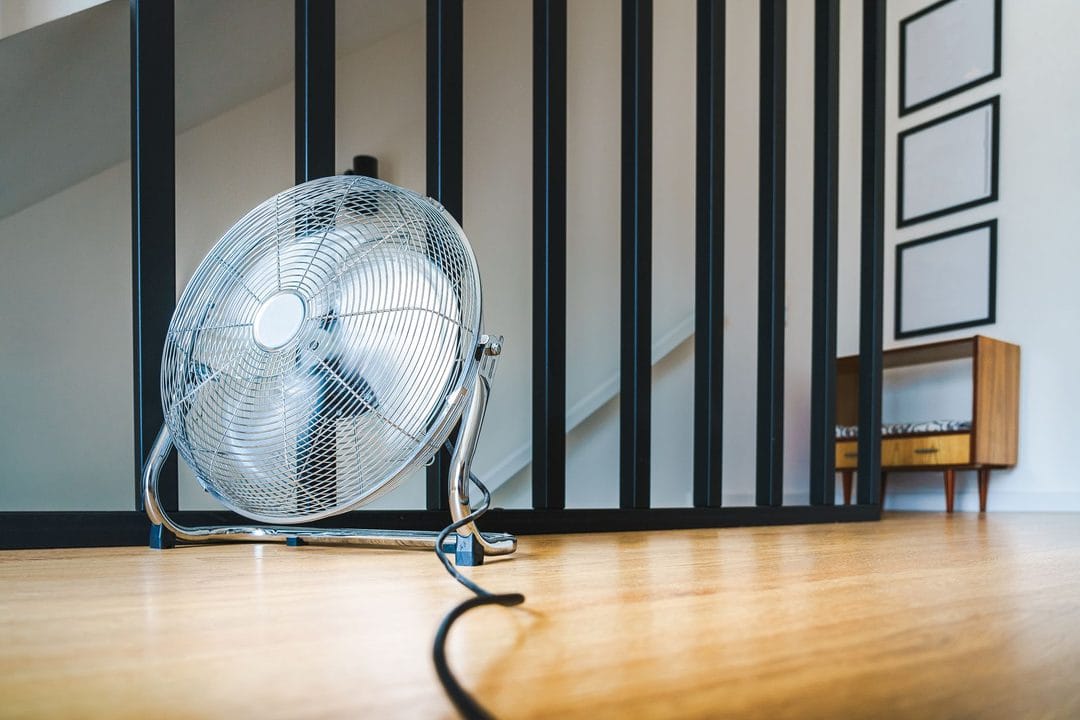
A standard pedestal or tower fan, the kind Dyson, Dreo or Pro Breeze sell for £40–£120, doesn't actually cool the air. It just moves it, which helps through evaporative cooling off your skin but does nothing once the room temperature exceeds your skin temperature, around 33–34°C. Below that threshold a fan genuinely works, and it's the cheapest fix by a wide margin. Portable air conditioning is a different proposition entirely. A single-hose unit from De'Longhi or Russell Hobbs runs £250–£450 and actually lowers room temperature rather than just moving air, but it pulls 1,000–1,500 watts continuously — running one overnight for a week of heatwave can add £15–£25 to your electricity bill depending on your tariff. Evaporative "air coolers" sold as a budget alternative are, frankly, a waste of money in this climate. They only work well in low humidity, and Britain's humid summer air means most units barely shift the room temperature by more than a degree or two, whatever the marketing copy claims.
Get a proper AC unit if you're in a top-floor flat with no cross-ventilation and heatwaves genuinely wreck your work the next day — the electricity cost is trivial next to a week of bad sleep. If cross-ventilation is possible, windows on two sides of a room, or even just a hallway door left open, a £60 fan positioned to pull cooler air in from one window and push warm air out another will outperform a cheap evaporative cooler at a fraction of the running cost. Single-hose portable units also depressurise the room slightly, pulling warm air in through gaps elsewhere in the house. Worth knowing before you assume the unit itself is underperforming.
What actually matters when you're choosing
- Room size in square metres, matched against the unit's BTU rating — undersized units run constantly and still don't cool the room properly
- Whether the room has cross-ventilation at all, which changes whether a fan alone is enough
- Noise level if you're a light sleeper, since compressor units cycling on and off through the night wake some people more than the heat did
- Dual-hose portable units cost more but don't depressurise the room the way single-hose models do, and they're worth the extra £80–£100 if you're running one most nights through July and August, among other trade-offs worth weighing before you buy
Bedding and Mattress Toppers: What's Physics, What's Marketing
Switch to a low-tog duvet. A 4.5 tog is standard for a British summer, and some people go down to a 2.5 tog synthetic or a lightweight linen-filled option for the worst weeks. Cotton and linen sheets breathe better than polycotton blends because natural fibres wick moisture away from skin rather than trapping it, and a set of 200-thread-count pure cotton sheets from somewhere like Dunelm or John Lewis at £30–£50 will outperform a "cooling" synthetic set costing three times as much. Gel-infused memory foam toppers, heavily marketed by brands like Simba and Emma with claims of temperature-regulating technology, do provide a measurable effect — independent lab testing generally shows a surface temperature reduction of 1–2°C compared to standard memory foam. That's real, but modest, and nothing like the dramatic difference the adverts imply. The effect also fades within the first hour of body contact, once the gel layer saturates with heat.
Phase-change material toppers and pillows are a genuinely different technology from gel-infused foam, worth distinguishing because retailers often blur the two together in product copy. PCM fabric, the kind used in some Simba and Panda pillow ranges, absorbs heat by changing physical state around a specific temperature threshold — similar to how ice absorbs heat as it melts. It keeps working longer than gel foam because it's actively storing thermal energy rather than just conducting it away. It's not cheap, typically £40–£70 for a single pillow, and it won't turn a 26°C room into a comfortable one on its own. But layered with a low-tog duvet and a fan, it's one of the few "cooling bedding" claims that actually holds up under scrutiny.
Melatonin, and Why the UK Rules Differ From the US
Anyone who's lived in or visited the US will know melatonin sits on a supermarket shelf next to the vitamins, sold over the counter in doses up to 10mg or higher. That's not how it works in Britain. Melatonin is a prescription-only medicine here, regulated by the MHRA, typically prescribed at 2mg slow-release for adults with a diagnosed circadian rhythm disorder rather than handed out for general heatwave-related insomnia. Buying melatonin from an overseas website and having it shipped to a UK address technically falls foul of the Human Medicines Regulations 2012. Products that do turn up on grey-market UK sites are frequently mislabelled on dosage — a 2017 JAMA study of US commercial melatonin supplements found actual content ranged from 83% below to 478% above the labelled dose.
Don't self-import melatonin for a few hot nights.
A GP can prescribe it where it's genuinely indicated, and for short-term heat-related sleep disruption the evidence points toward environmental fixes doing far more than a supplement would anyway — temperature, light exposure, timing. What actually helps without a prescription: a lukewarm, not cold, shower an hour or so before bed. It sounds backwards, but it works through the same vasodilation mechanism as kicking a leg out from under the duvet — warming the skin surface triggers the body to dump heat afterward, accelerating the core temperature drop rather than fighting it. Cold showers right before bed can actually delay sleep onset because they cause vasoconstriction, the opposite of what you want here. Keep blackout curtains or blinds closed from mid-morning onward, not just at bedtime, since UK bedrooms with south or west-facing windows gain most of their evening heat load from direct sun hitting the glass hours earlier in the day.
A Few Things Worth Doing Tonight
Freeze a hot water bottle, yes, in summer, and put it at your feet, or keep a spray bottle of water by the bed for your wrists and the back of your neck. These are pulse points where blood vessels sit close to the skin, so cooling them has a disproportionate effect on how hot you feel overall. Alcohol makes heatwave sleep worse specifically, not just sleep in general, because it dilates blood vessels initially and then triggers a rebound increase in body temperature two to three hours later — right when you'd otherwise be settling into deep sleep. Skip it during a heatwave even if you'd normally have a glass of wine with dinner.
None of this fixes a genuinely poorly insulated top-floor flat overnight, and if your landlord won't budge on external shutters or a permanent AC installation, you're managing symptoms rather than solving the actual problem. But between a £60 fan positioned properly, a lower-tog duvet, and closing the curtains before midday rather than at 10pm, most people can claw back close to that 16–18°C target on all but the very worst nights. This time of year, that's about as much control as anyone in a British house actually gets.