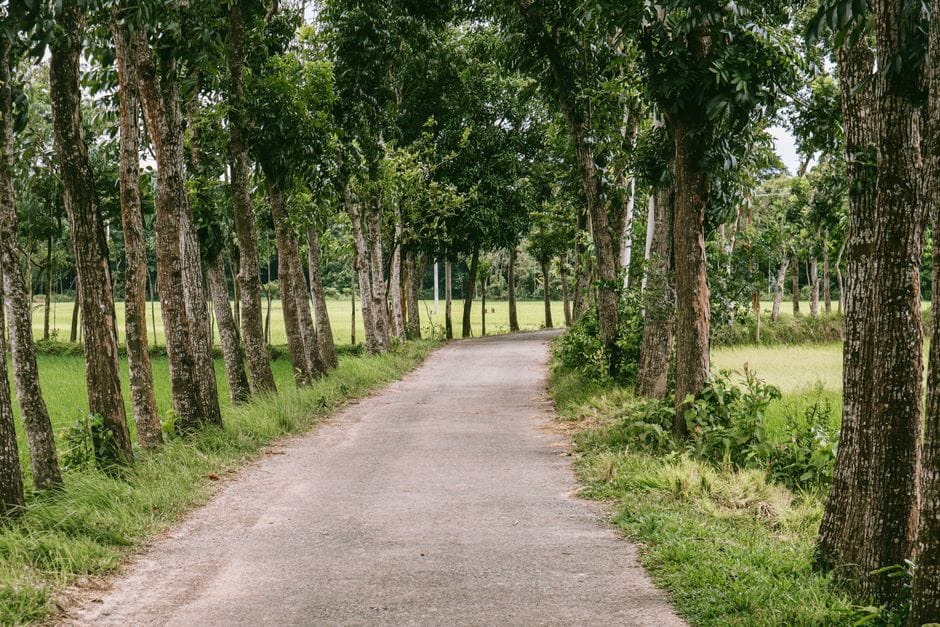
Walking gets no respect. It is what you do to get to the proper exercise, the thing you apologise for when you say you have not done anything this week. I think we have it backwards.
The unglamorous evidence
A brisk daily walk is associated with lower blood pressure, steadier blood sugar, better mood and a meaningfully lower risk of early death. It is the closest thing we have to a free, side-effect-light medicine, and almost no one needs to be taught how to do it.
It does not spike your appetite the way harder training can, it is gentle on the joints, and you can do it in the clothes you are already wearing. There is nothing to buy and nothing to book.
How to make it count
Not all walking is equal, but the bar is low.
- A pace where you could talk but not sing is plenty
- Twenty to thirty minutes most days adds up faster than you think
- Hills and a backpack quietly turn a stroll into a workout
- Walking after a meal helps steady your blood sugar
I stopped trying to hit a magic step count and started treating a walk as a default. The dog needs one anyway. A phone call is better taken on the move. The shop is fifteen minutes away on foot.
The case rests
If a pharmaceutical company could bottle the benefits of a daily walk, it would be a blockbuster drug and we would all be told to take it. Instead it is free, available outside your front door, and quietly ignored. That seems like a mistake worth correcting.