For about two years I kept a drawer of protein bars at work. They felt like the responsible choice, the grown-up snack. Then I actually read the back of one.
The maths did not add up
A typical bar cost me between two and three pounds and delivered fifteen grams of protein wrapped in syrups, sweeteners and a date paste that tasted of nothing. I was spending roughly forty pounds a month to eat what amounted to a confectionery bar with extra marketing.
The protein itself is fine. The problem was everything around it: the cost, the long ingredient lists, and the way a bar left me hungry again within the hour. Whatever it was doing, it was not keeping me full.
What replaced them
I went looking for things that were boring, cheap and actually satisfying. The list turned out to be short.
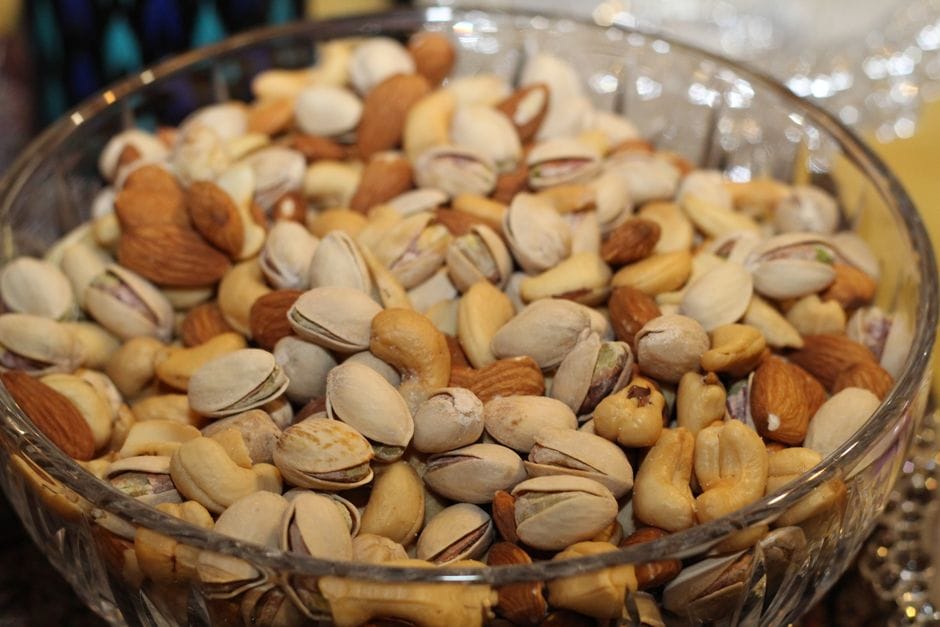
- A handful of unsalted nuts and a piece of fruit
- Greek yoghurt with a spoon of seeds stirred through
- Two boiled eggs, made in a batch on Sunday
- Hummus with whatever raw veg was in the fridge
None of this is clever. That is rather the point. A tub of yoghurt costs less than two bars and lasts a week, and the eggs keep me going far longer than anything wrapped in foil ever did.
The quiet lesson
The wellness aisle is brilliant at selling convenience back to us at a markup. Most of what it sells, we could assemble ourselves in under a minute from the ordinary supermarket shelves. I am not against a bar in an airport when there is nothing else going. But as a daily habit, it was costing me money and giving me very little back.
Six months on, the drawer holds a bag of almonds and not much else. I do not miss the bars, and my bank statement is quietly grateful.